


Child leprosy is a hidden crisis.

Today, the disease is shattering the lives of children and young people across Africa and Asia.
For too long, their stories have gone unheard. Robbed of health, joy and opportunity, these children are a forgotten generation. It’s a cruel injustice, especially when there has been a cure for 40 years.
We believe that every child is born for more than leprosy. That every child should be free to grow and hope without fear.

Will you join us to act for justice, and help end child leprosy in Jesus’ name?
There’s a lot to do. Despite its devastating effects, leprosy is a low priority for many governments. Poverty and stigma are formidable challenges to overcome.
But together, in God’s strength, we can be bold.
Standing with our teams around the world, you can help find and cure children quickly.
You can make sure medics at Leprosy Mission hospitals are ready to provide compassionate care for young people disabled by leprosy.
You can challenge the stigma and hatred that leaves children isolated and lonely, and provide vocational training opportunities to break the cycle of poverty.
And together, we can bring God’s hope and transformation to young lives torn apart by leprosy and fear.










Leprosy affects thousands of children every year. The first signs are often discoloured patches on your body that have no feeling.
The good news is that leprosy is curable. But poverty, a lack of awareness, and myths about the disease stop children from getting the vital treatment they need.
If not treated quickly, leprosy attacks your nerves. Eventually, you lose feeling in your hands and feet. Everyday activities become fraught with danger when you can’t feel pain. It’s easy to burn your hands when cooking or cut the soles of your feet when walking barefoot.
These wounds can easily become infected. Especially if you don't know how to care for them, have no clean water, or ignore them because they don't hurt. Ulcers develop, and sometimes the only way to prevent infection spreading is amputation.
Leprosy also makes your fingers to curl into your palms. This means you can’t hold a pen at school or a tool to work. And tragically, the disease can also make you go blind.
That’s why fast treatment is vital. It’s why together, we must act now.
Right now, across Africa and Asia, Leprosy Mission teams are ready. Ready to find and cure children with leprosy quickly. Ready to restore mobility to hands and feet disabled by the disease through specialist surgery. Ready to provide training so that young people can build futures with good jobs. Ready to help children heal and rediscover their strength and confidence.
But they need you. Please prayerfully consider what difference you could make today.

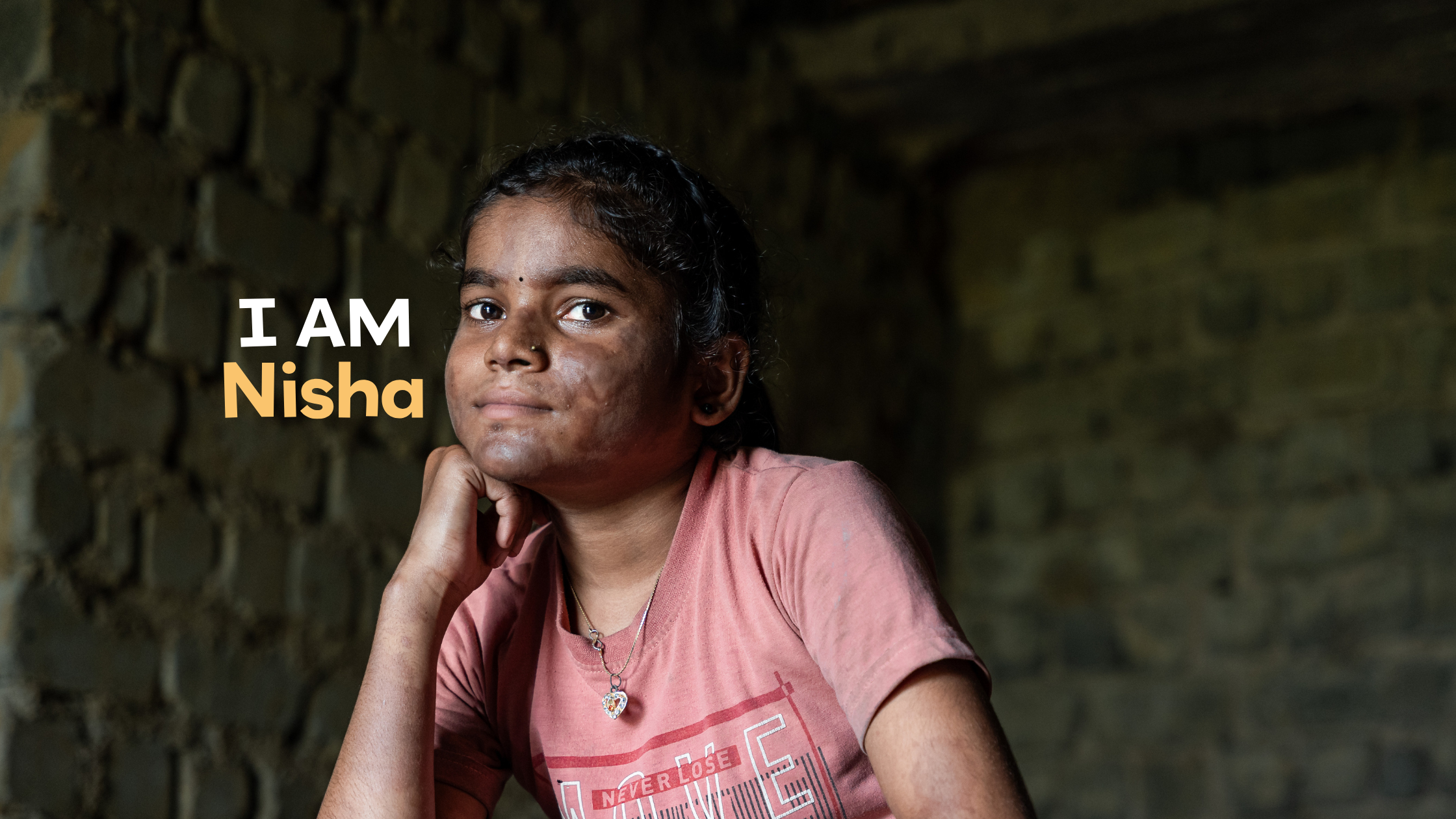
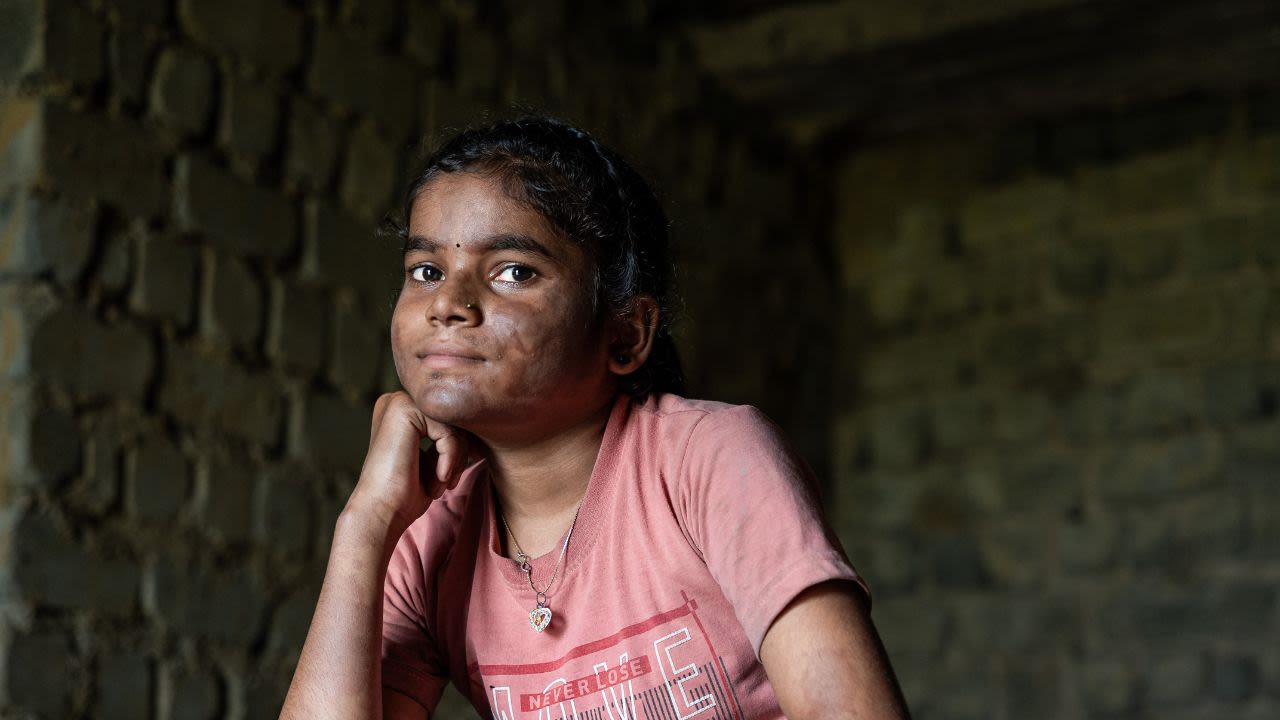
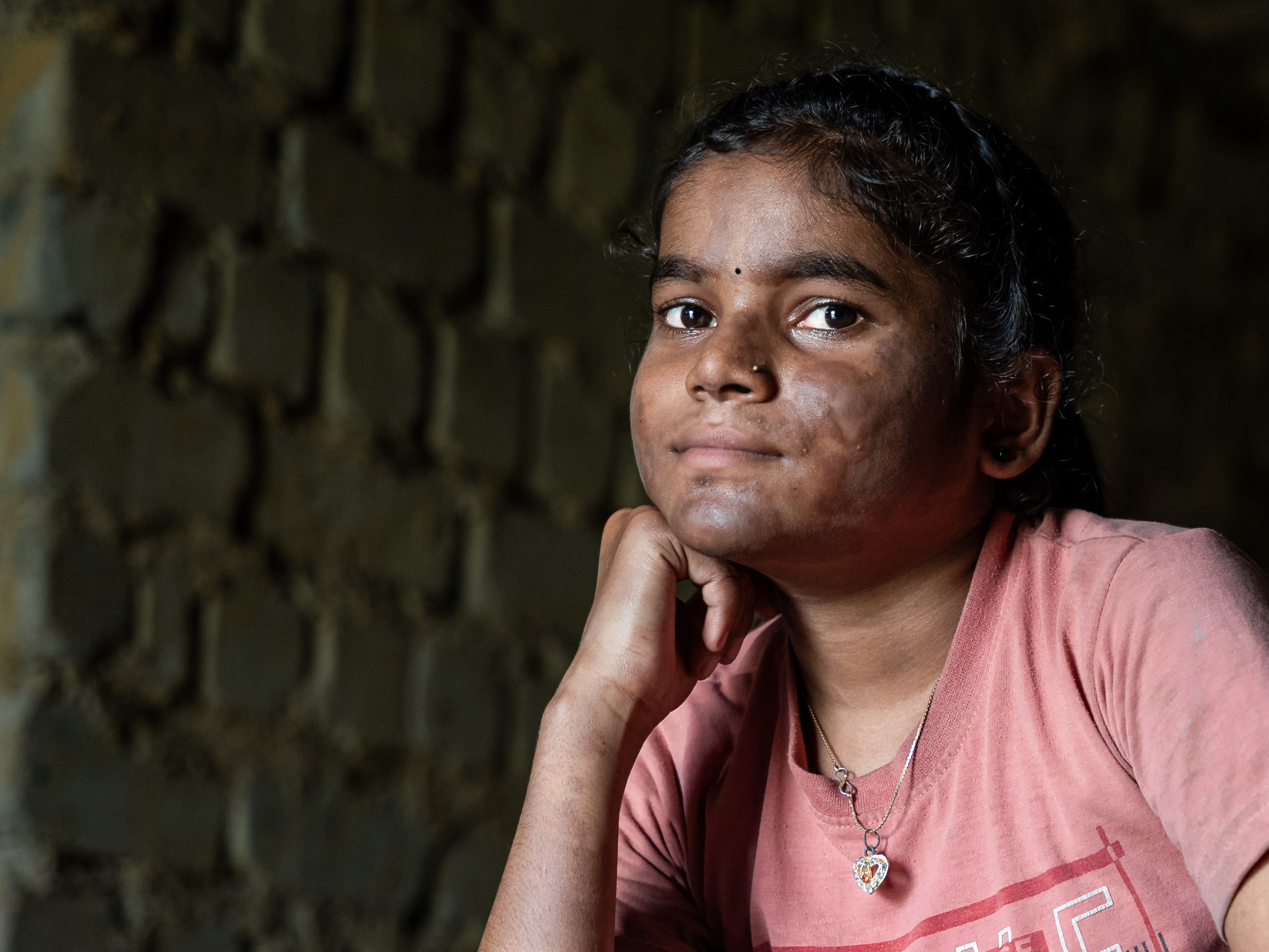
Growing up in rural India, life was hard for 12-year-old Nisha. Her mum died when she was just a baby. Her father remarried and works away from home. Nisha loved her stepmum, Maya. They didn’t have much, but they had each other.
Then leprosy struck.
The disease hit Maya first. Despite many trips to the government hospital, it wasn’t treated properly. Nisha tried to help, but Maya grew weaker and weaker. There was nothing they could do. At just nine years old, Nisha lost a second mum.
Tragically, there was more pain to come.
While caring for her stepmum, Nisha had ignored the strange patch on her own face. At first, she thought it was just a rash. Her dad took her to a doctor, but the cream he gave her made no difference.
As Nisha’s symptoms worsened, her fear grew.
“People stopped talking to me. They whispered and stared if I went into the village. Even my closest friends wouldn’t come near me anymore. I loved going to school. But I had to leave because I had leprosy.
“I became unwanted and invisible. I was heartbroken. But there was no-one to hear me as I cried on my bed.”
Nisha began to lose hope. Then, her dad heard about the Leprosy Mission’s hospital in Champa. It felt like a lifeline.
At Champa, Nisha was quickly diagnosed and admitted to the ward. At first, she was nervous about staying away from home. But every day the nurses would comfort and encourage her. And thanks to the team and kind supporters like you, she began to recover.
Today, Nisha is back at home. Her health has improved, but stigma still haunts her. People in her village whisper about her. She isn’t allowed back to school. Instead of playing with her friends, she sits at home alone and dreams of a life that feels out of reach.
Your support can restore hope and dreams for children like Nisha. You can help cure leprosy, challenge stigma, and provide vocational training.
Your kindness today will restore futures, empowering children and young people to break free of leprosy, poverty, and fear for good.

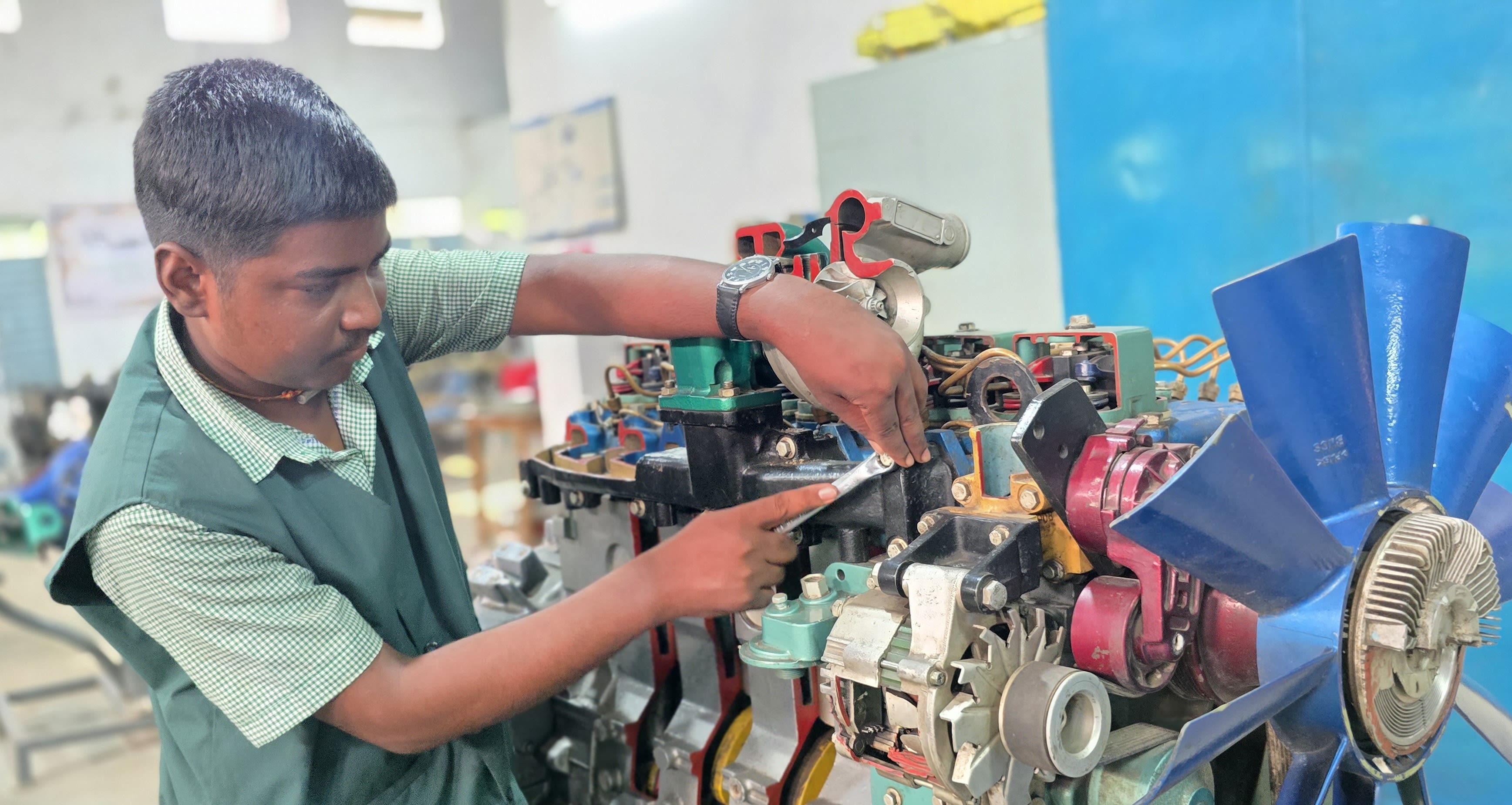
Step inside the mechanics room at Champa Vocational Training Centre, India, and you’ll hear the gentle clanking of tools. The quiet murmur as students work together on their tasks.
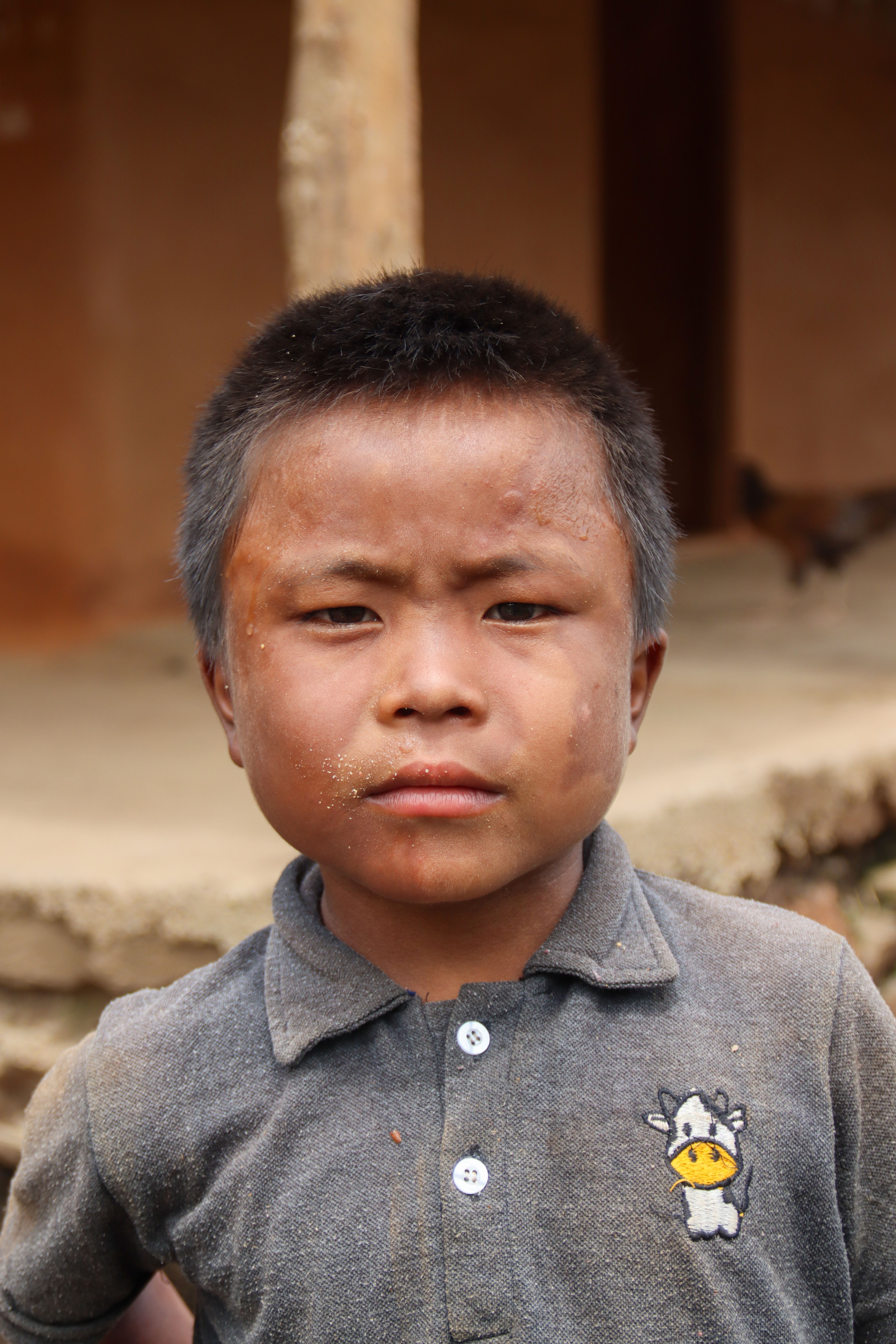
And you’ll see Suresh, focused and determined. He has a dream, and he’s not going to let this opportunity to achieve it pass him by.
For a long time, Suresh’s dream of opening his own garage was just that. Growing up in rural India, his parents earned a small daily wage as builders. But they often struggled to make ends meet, and couldn’t always afford school fees.
But sadly, poverty wasn’t the only challenge Suresh would face.
When he was just 11, painful lumps appeared on his body. His joints ached and he had a constant fever. His parents assumed it was just an allergy. They didn’t know that leprosy was slowly damaging Suresh’s nerves. But when he started to find walking a struggle, they knew he needed medical help.
At hospital, Suresh was given the vital cure for leprosy. He also learned about the Leprosy Mission’s Vocational Training Centre at Champa, which you support. Suddenly, his dream felt possible.
Now enrolled on the diesel mechanics course, Suresh won’t just learn how to repair cars and machinery. He'll build practical skills too, from cooking to writing a CV. And he’ll gain experience through work placements with local businesses.
Suresh still struggles with the physical impacts of leprosy. His hands are shaky, and he often gets pins and needles in his feet. But he’s determined not to let the disease define him.
“I’m working hard to make the most of this chance to change my life,” he says. “I am so thankful for this opportunity.”
Leprosy robs young people of their dreams. But it doesn’t have to be this way.
Your kindness can empower young people like Suresh to build a better future through vocational training. And your support will break the chains of poverty and leprosy for good.
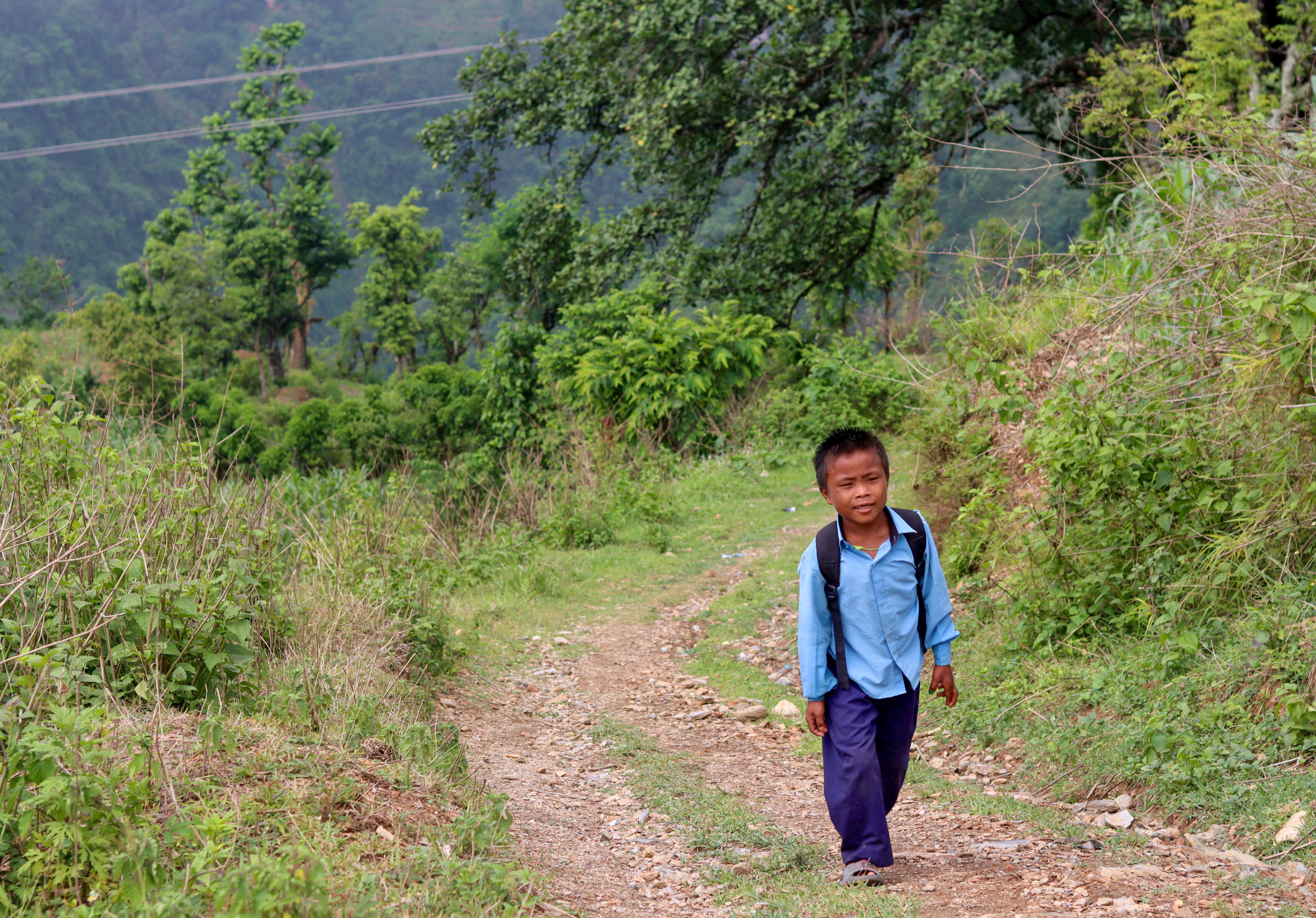
Kamal was just seven when the tell-tale signs of leprosy appeared.
As is usual in rural Nepal, his parents visited a traditional healer. But this healer didn’t know about leprosy. Instead, he said that Kamal was cursed by a snake god.
You can imagine how terrified his parents were! They did everything they could to lift the curse, but nothing seemed to work. You can imagine the questions this young boy asked himself. Was it really his fault? What had he done? No child should be told they are cursed.
Without a cure, leprosy continued to silently attack Kamal’s nerves. Painful patches covered his face, and his eyes became swollen. His tongue was sore, and he even struggled to breathe through his nose. His parents knew they needed to act.
It was Kamal’s father who suggested they go to Anandaban Hospital. Set in the hills high above Kathmandu, this hospital is a beacon for so many children affected by leprosy.
Living in rural Nepal, it was a long journey for Kamal and his mum, Premila. But as they came through the hospital doors, they felt something they hadn’t in a long while: hope.
At Anandaban, doctors quickly diagnosed Kamal and admitted him for treatment. Premila stayed with him as he recovered. Being away from home for so many months was hard for them both. But under the loving care of the team, Kamal began to recover. Not just physically, but emotionally too.
Ruth, the hospital counsellor, explained that leprosy wasn’t a curse. She also visited his village to dispel the fear and myths surrounding leprosy. Thanks to her dedication, Kamal returned home to a more understanding and welcoming community.
Today, Kamal’s future looks as bright as his smile.
But across Africa and Asia, there are many more children living under the shadow of leprosy. Today, you can shine God’s light into this darkness.
With your support, Leprosy Mission teams can quickly reach children with the cure for leprosy. Together, you can raise awareness about the disease and challenge stigma in communities. And you can make sure that children like Kamal never have to live in fear.

Ever since she was a child, Rinki wanted to be a nurse.
She was inspired by her grandmother, who served as a nurse herself in a rural hospital. Rinki admired her dedication to each and every patient. She wanted to show that same love to others.
It during her studies that she learnt about leprosy, and how neglected the disease was. Little did she know that this was the start a lifetime of service.
Rinki was called to The Leprosy Mission’s Champa Hospital after she graduated. For 22 years, she has been a pillar of compassion and support for her patients. In that time, God has given her a special heart for children.
“I see children in pain, rejected by their communities, confused and scared,” she recalls. “I think of my own son and daughter. That could be them. So I care for each child like my own.”
A stay in hospital is daunting for any child affected by leprosy. Many face months of treatment and recovery. Healing from the trauma of isolation and rejection takes time too. But into their fear and anxiety, Rinki speaks love.
“We treat patients like family. Especially the children. We play games and talk with them. We never leave them to suffer alone.”
This is why your support for Leprosy Mission hospitals like Champa is so important. Alongside Rinki, you are showing children affected by leprosy that they aren’t alone. That there is a future for them beyond leprosy, exclusion, and fear.
Rinki is so grateful for your compassion. “Thank you. You may be far away, but your support helps us be close to these children. We pray for you as you pray for us. We are one family.”
Across Africa and Asia, dedicated Leprosy Mission medics like Nurse Rinki are ready to serve. To restore health, self-worth, and hope. Will you stand with them today, as together we show God’s love to children affected by leprosy?
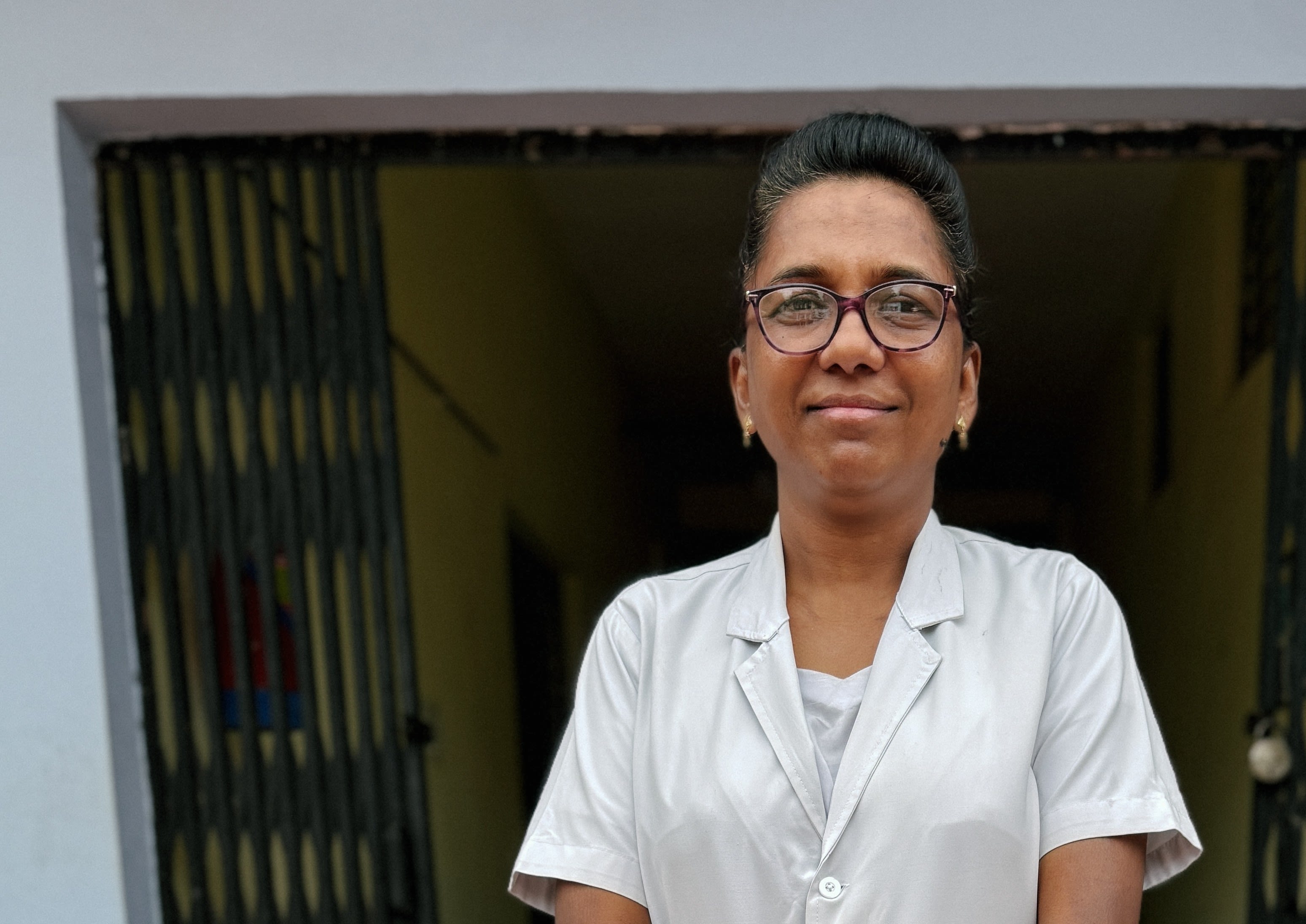
Explore our interactive map to find out more about child leprosy around the world
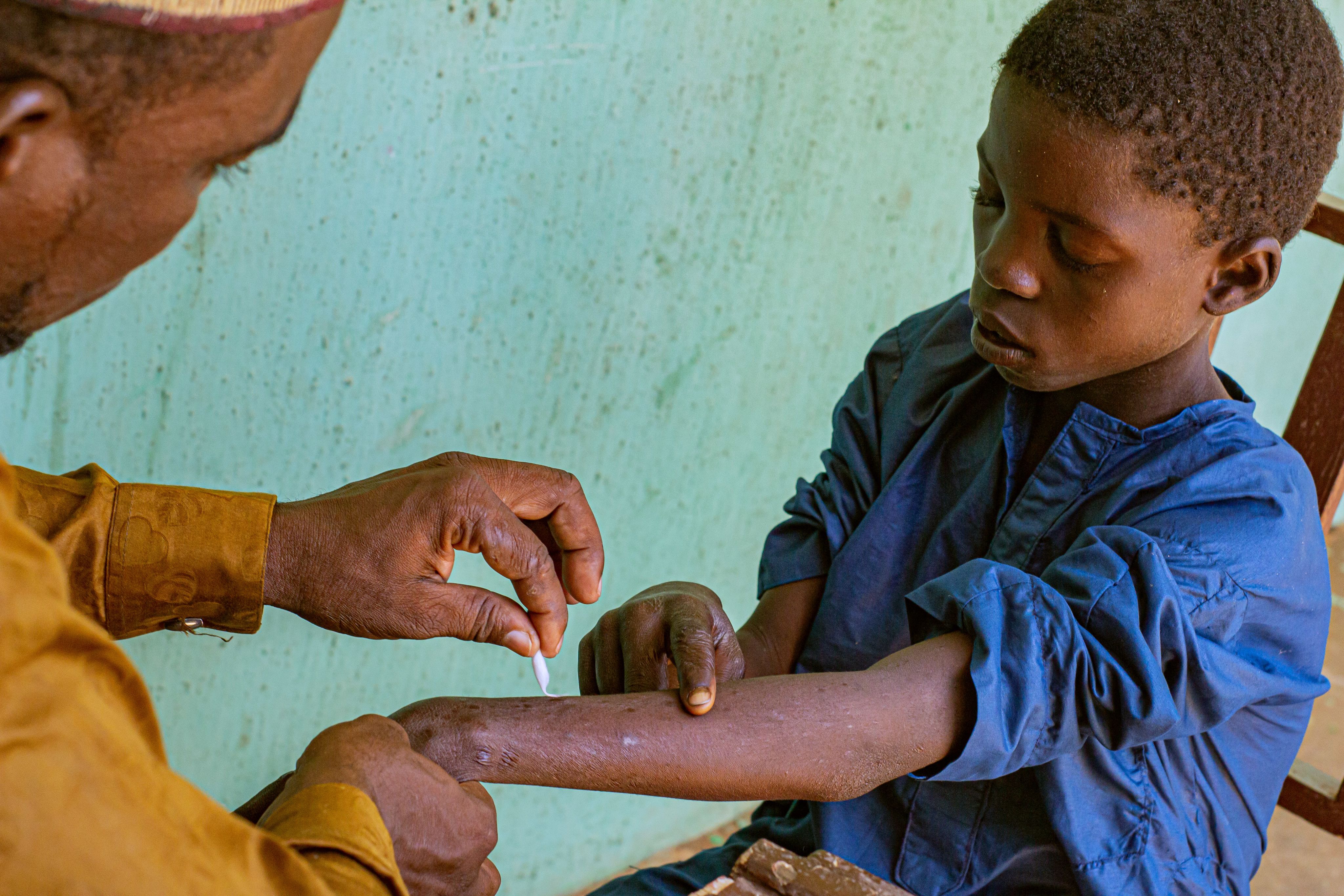
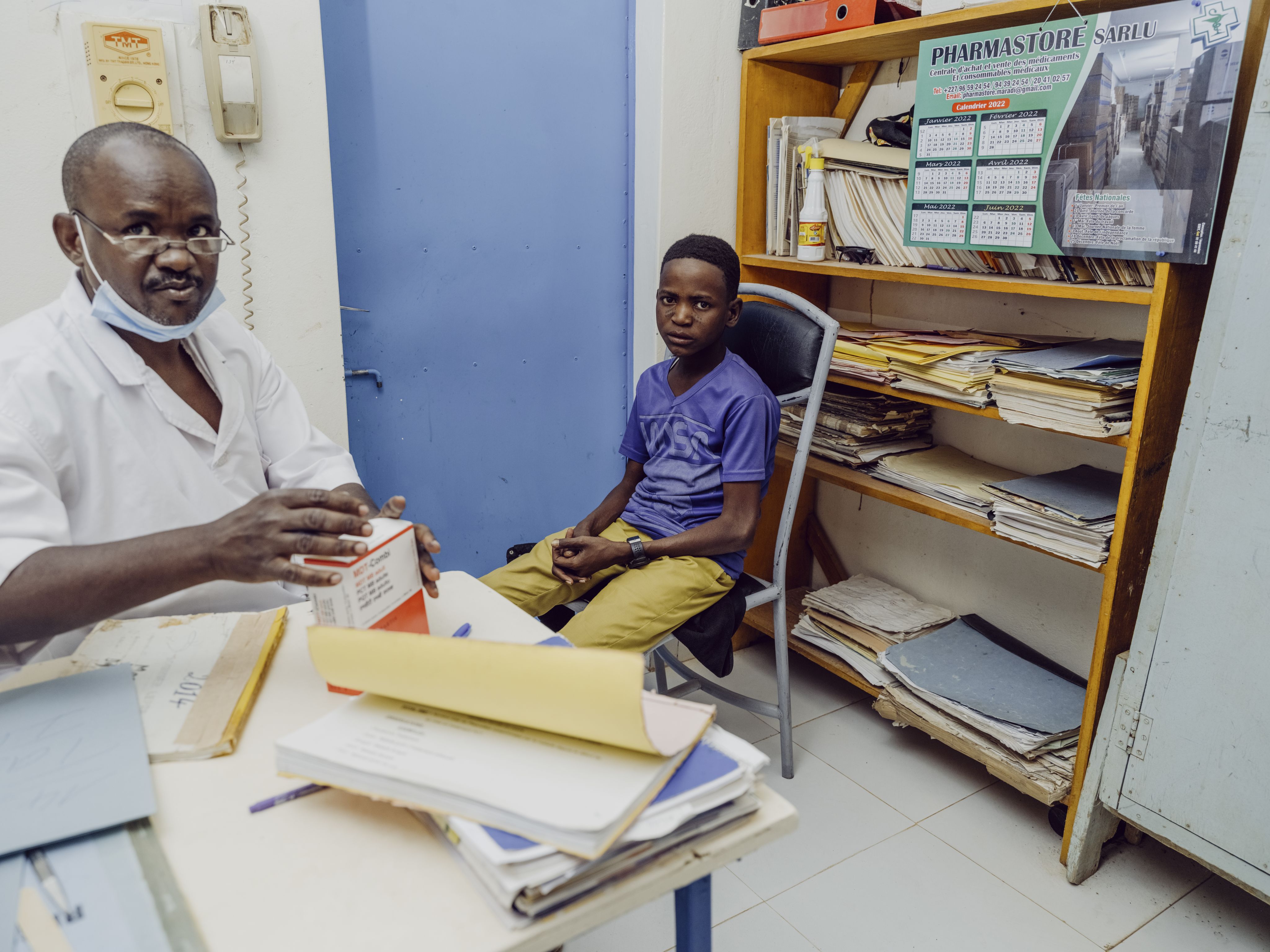
Niger is one of the poorest countries in the world with over 15 million people living in desperate poverty. Most of Niger is desert and seriously affected by drought. For the many Nigeriens rely on hand-to-mouth farming, this is devastating. Across the country there are often major food shortages. Disease, including leprosy, is rife.
Danja Hospital in the middle of dry and dusty Niger, is an oasis of hope for children like Ibrahim. It’s the only place in the country which diagnoses and treats leprosy. The dedicated team provides care and counselling for youngsters who have faced discrimination, healing minds as well as bodies.

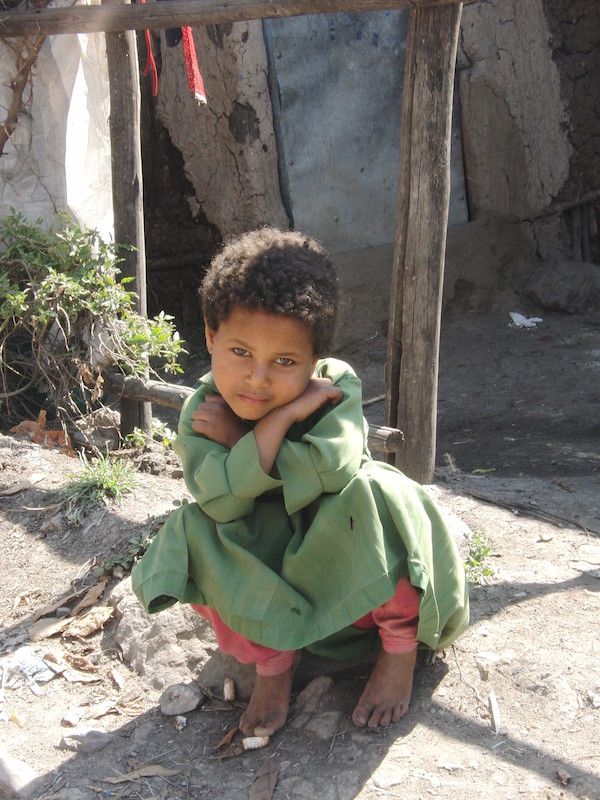
Ethiopia has the seventh highest number of leprosy cases globally, and the second highest in sub-Saharan Africa. Lack of healthcare and understanding about leprosy means there is a high rate of child disability. Working in the Oromia Region, Leprosy Mission health workers go house to house to find new cases and help families affected by leprosy.

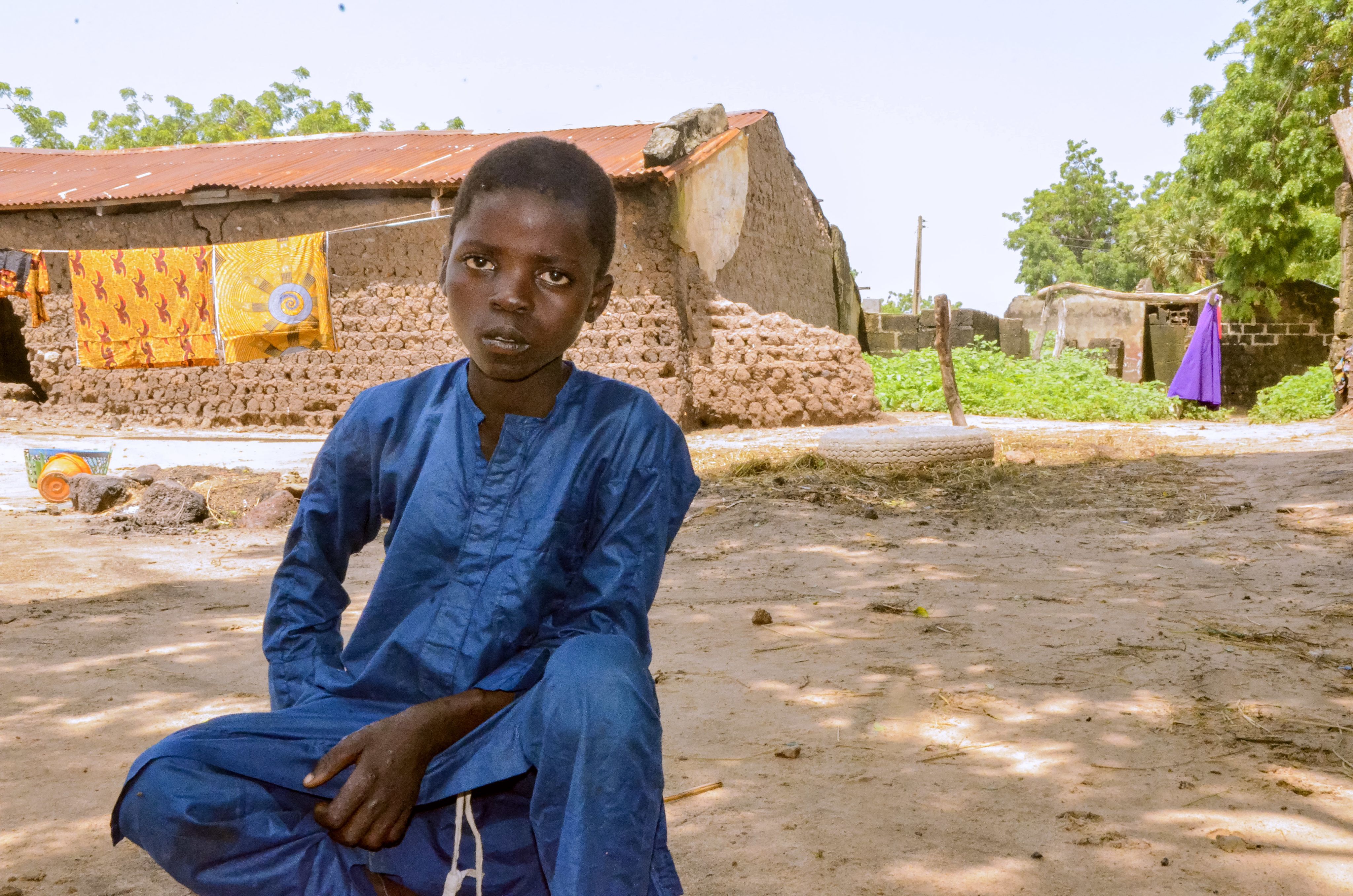
Poverty, conflict and limited healthcare mean that leprosy is still a huge problem in Nigeria. We improve awareness of leprosy and break down stigma in schools through screening, community discussions, and on radio programmes.
We train community volunteers to spot the signs of leprosy and refer people to treatment. We also support Chanchaga Orthopaedic Centre in north Nigeria. Here, people disabled by leprosy get mobility aids and assistive devices, from prosthetics to wheelchairs and protective footwear.
Leprosy isn’t just a physical disease. The stigma, discrimination and isolation people face have emotional impact too. Vital mental health support services are an important part of our work.

Inequality, poor healthcare, and limited access to schooling means Mozambique is one of the poorest countries in south-eastern Africa. More than half of Mozambicans have to walk for an hour or longer to their nearest health facility. Most medical centres are basic, and staff are often over-stretched. It’s no surprise that there is a high rate of leprosy, including among children.
We work with to improve healthcare and stop leprosy in its tracks. We train volunteers to effectively diagnose leprosy. They run school screening and awareness camps to find and treat hidden children.

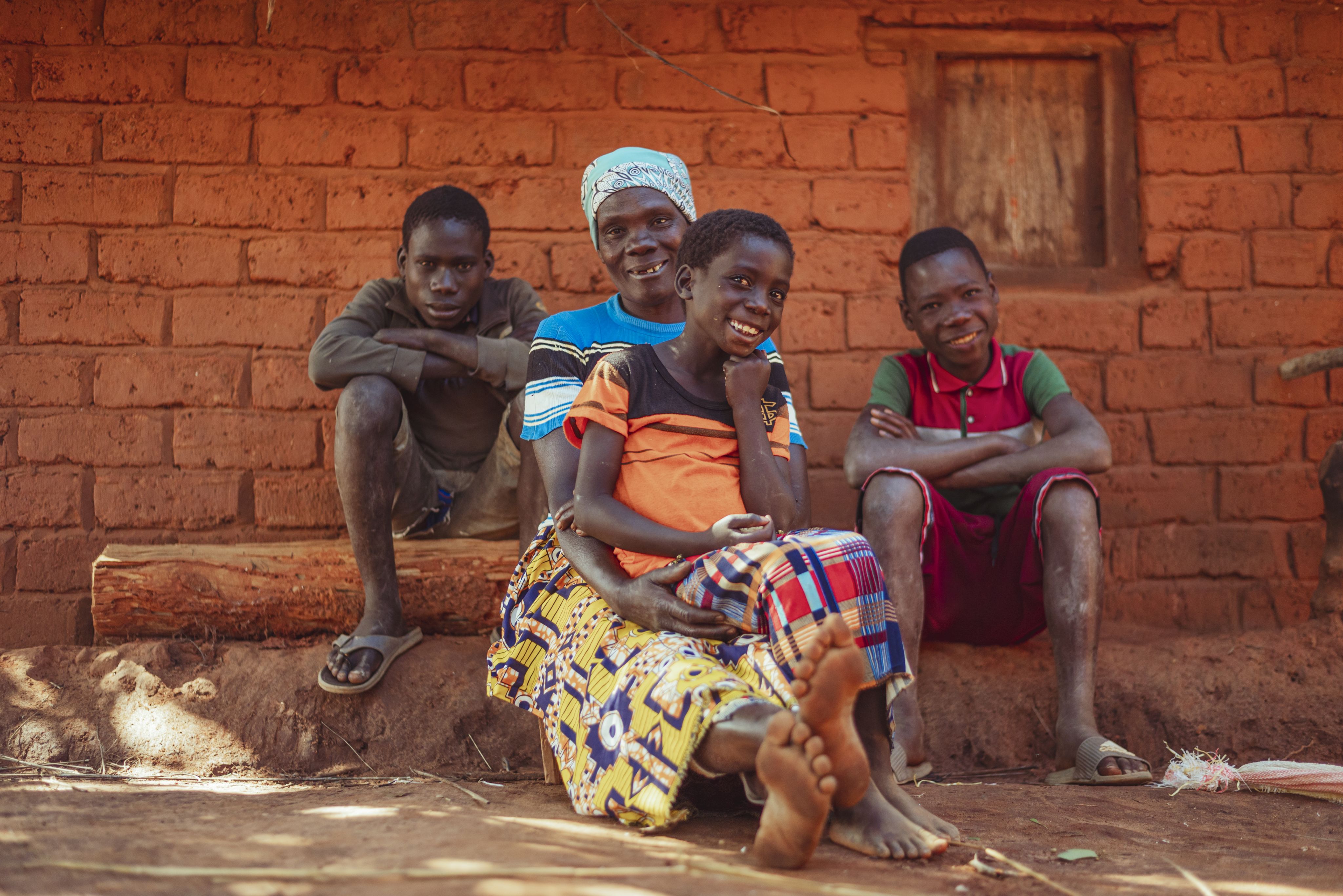
Child leprosy is sadly all too common in Sri Lanka, and we have seen children as young as three struggling because of the disease. Our work in Sri Lanka is all about partnership. Partnership with faith communities, government, and local organisations. Shared expertise means the most effective and sustainable help is provided for people affected by leprosy. We tackle poverty from the bottom up, to help build strong immune systems that can fight disease - from clean water, toilets and good nutrition, to learning trades and building sustainable livelihoods.

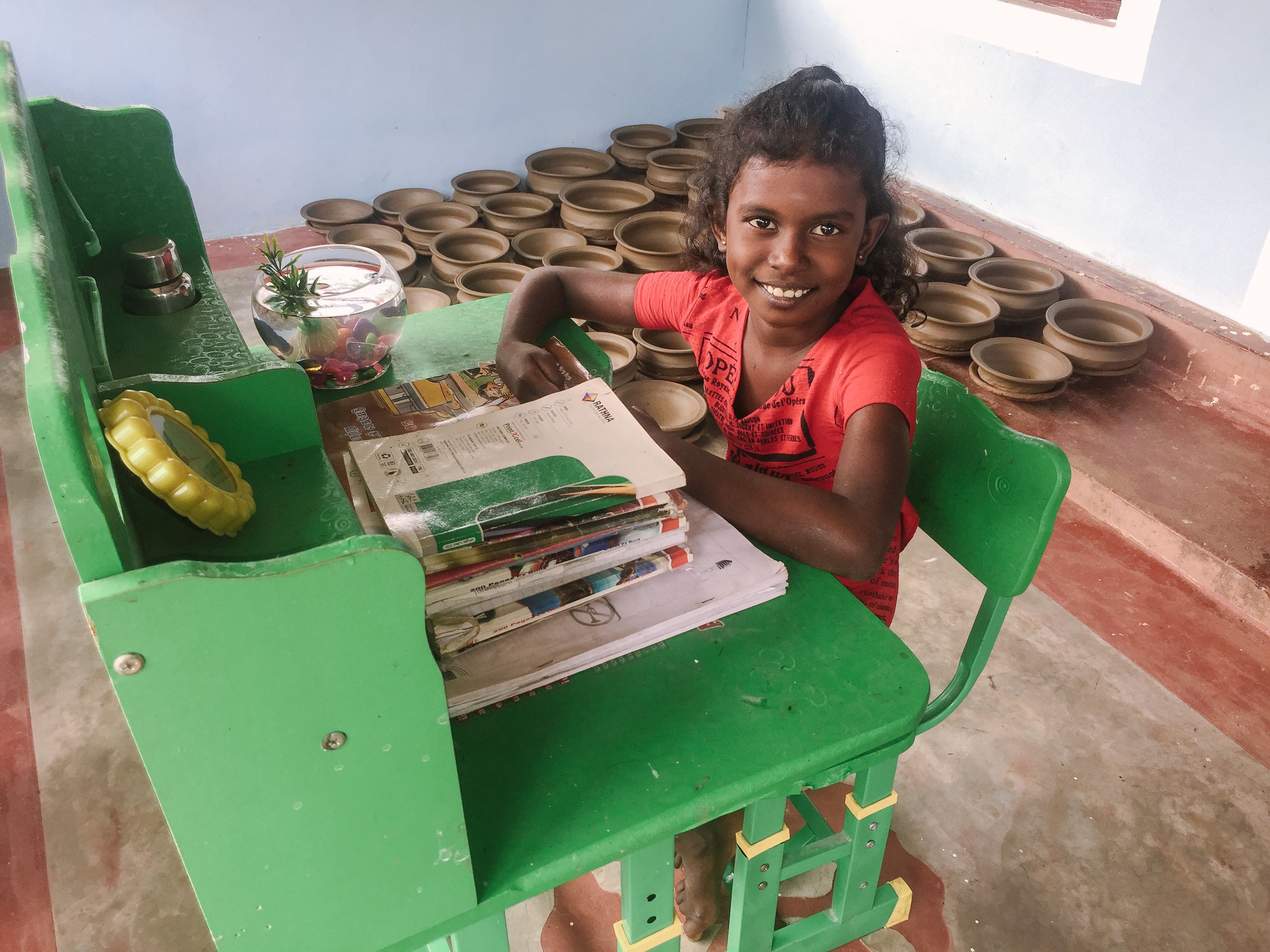
Each year, over half of the world’s child leprosy cases are diagnosed in India. But for every child who is cured, we know many more are hidden, too scared or too poor to come forward for treatment.
Poverty often means that families cannot afford to see a doctor. And stigma means children are isolated and unwanted. With poor health and no opportunities, they face a lifetime of hardship. No child is born for this future.
That’s why your support for Leprosy Mission hospitals across India is so vital. For many children, these sanctuaries are the only place they can get the critical care and compassion they need.
Your kindness also funds Vocational Training Centres across India. Here, young people affected by leprosy gain qualifications in courses from engineering to computing. This is a wonderful opportunity to break the chains of leprosy and poverty for good.

Sadly, many children with leprosy are not getting the treatment they so desperately need in Nepal. Living in remote rural areas, with few health facilities and little awareness about the disease, children urgently need to be found and cured.
Special events to raise awareness about the disease is a vital part of our work together across the country. School screening is another important way of finding children who have symptoms.
Your support also funds Anandaban Hospital, set high in the hills above Kathmandu. Every year, thousands of people with leprosy find healing and hope here. Thanks to you, it’s a place of compassion and welcome. A place where the love of God is felt every day.

Leprosy thrives where there are poverty and overcrowding, and these exist side by side in Bangladesh. It has one of the highest population densities in the world, with more than 1,200 people per square kilometre. One in ten people live in extreme poverty.
The Leprosy Mission Bangladesh’s hospital in Nilphamari is the only hospital in the country providing reconstructive surgery and specialist treatment for people with leprosy. We also work with local partners fight stigma, raise awareness about leprosy, and help identify new cases.
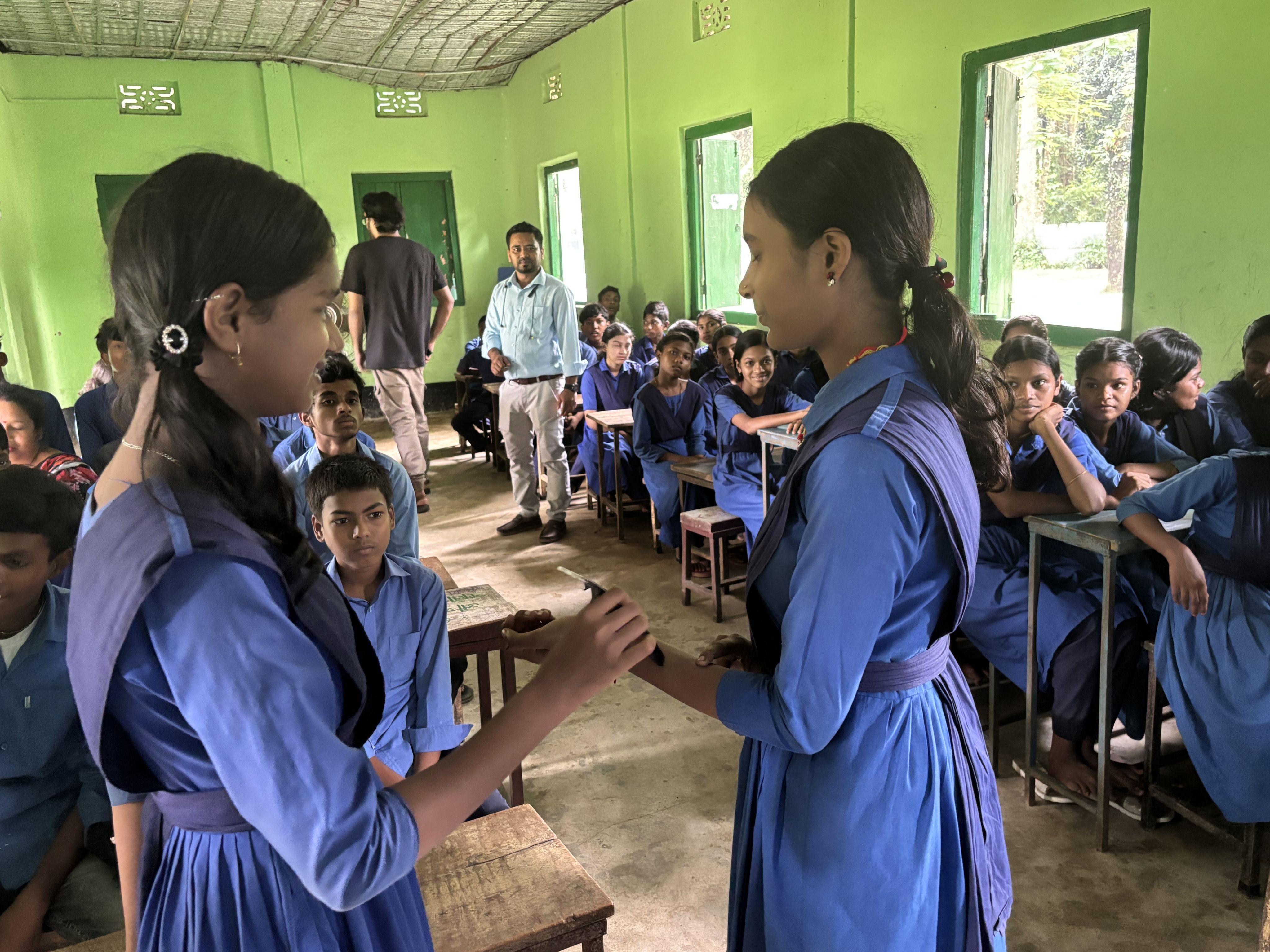
School friends test for feeling on their arms with a feather. Loss of sensation is one of the first signs of leprosy.
Following the military coup in Myanmar, our work in this country has been increasingly challenging.
Leprosy cases have continued to grow, but getting proper medical care is costly for people living in poverty. It can also be very dangerous for them to travel to clinics. Brave trained volunteers visit communities to find families affected by leprosy who need care.
Children with hands and feet which are damaged by leprosy, are taken to pop up clinics for specialist surgery to restore movement.


Therefore I tell you, whatever you ask for in prayer, believe that you have received it, and it will be yours.
Mark 11:24
Prayer is a powerful way to change the world! And it’s at the heart of everything we do together at The Leprosy Mission.
Join with us each month to pray for people affected by leprosy and the work you support across Africa and Asia.




 Built with Shorthand